I know, I know it’s been a hot minute since I posted anything. It hasn’t been for the lack of content, but for the over exertion of my brain and my personal human resources! It’s been a roller coaster emotional ride this past year and it’s been sure as hell both physically and mentally taxing!
So to summarize the year for those who care, I got my first full-time 9-5 corporate job as a Technical Recruiter. As a family we got some long-awaited good news. A dear family member was diagnosed with cancer. I started my very own small business. My family had a major car accident – miraculously no severe injuries. My dearest cousin got engaged! Among our friends we have had some move away out of state, some having to undergo surgery, some loosing family members, some getting physically injured with months of recovery and some bearing mental scars due to unfortunate events. We have had Covid ravage through our family. And the hardest, most irreparable blow was losing a parent – we are still mourning the loss and grieving.
Phew that was a lot in a nutshell! With all this one thing I learnt with certainty is that “Life goes on – no matter what!”. You might have everything around you crumbling, but if you just keep breathing and taking it one day at a time, life will not fail you. It will keep going on and keep moving on. You will rebuild everything one brick at a time. It may not be the same as before, but it will be just enough.
Whatever it is that you are going through, I wish you the strength and resilience to keep on swimming and emerge on the other side.
And through it all, if you happen to be a parent, hug your child a little more tighter tonight and breathe in the promise of a better future.
“The influence of a mother in the lives of her children is beyond calculation.” – James E. Faust.
Truer words were never spoken. Today I want to talk of one such mother, whose influence on her daughter went well beyond her lifetime to better the lives of an entire nation, making her daughter one of the trailblazing pioneers of her times…and a legendary role model for generations of young women – past, present and those yet to come. I want to talk about Celia Bader, mother of Ruth Bader Ginsburg.
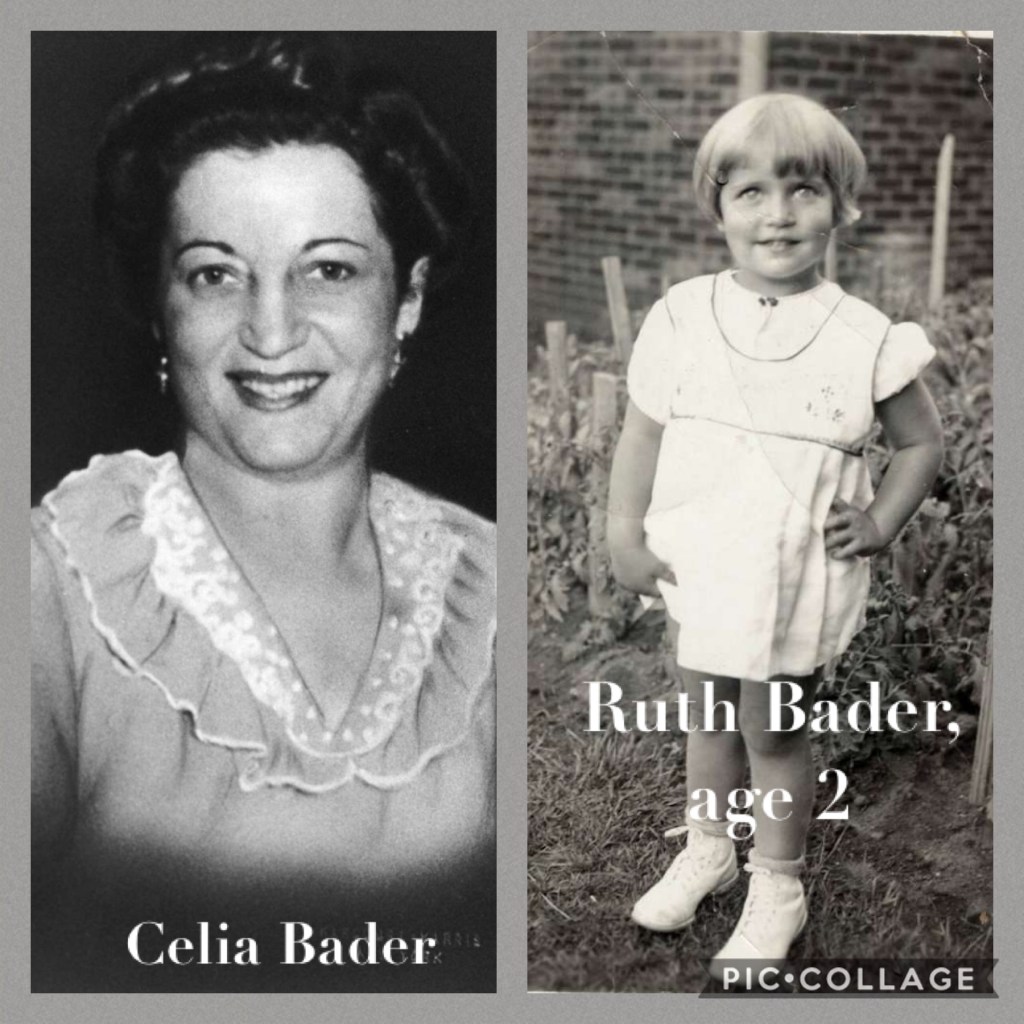
Celia Bader (nee Amster), was born in 1902 in the United States of America, 4 months after her immigrant parents arrived in New York from Austria. She grew up to be an intellectually ambitious girl who graduated from high school at 15 years of age, but didn’t get to go to college. She had to forego her further formal education to go work in Manhattan’s garment district so that her brother could attend Cornell University.
Tradition, culture and her gender denied her her aspirations…she wouldn’t let that repeat with her children. She would impress the importance of education on her future children.
She worked as a bookkeeper and eventually married Nathan Bader, a Russian immigrant who came to the United States with his family at the age of 13. He was a furrier and ran his own business. Both Celia and Nathan were Jewish. They had two daughters, Marilyn and Joan Ruth. Marilyn died from illness when she was less than 2 years old.
Celia was more than a traditional Jewish wife and mother. She brought her intellectual awareness to her role as a mother, with the intention of providing a life better than her own to her surviving daughter, Ruth (nicknamed Kiki).
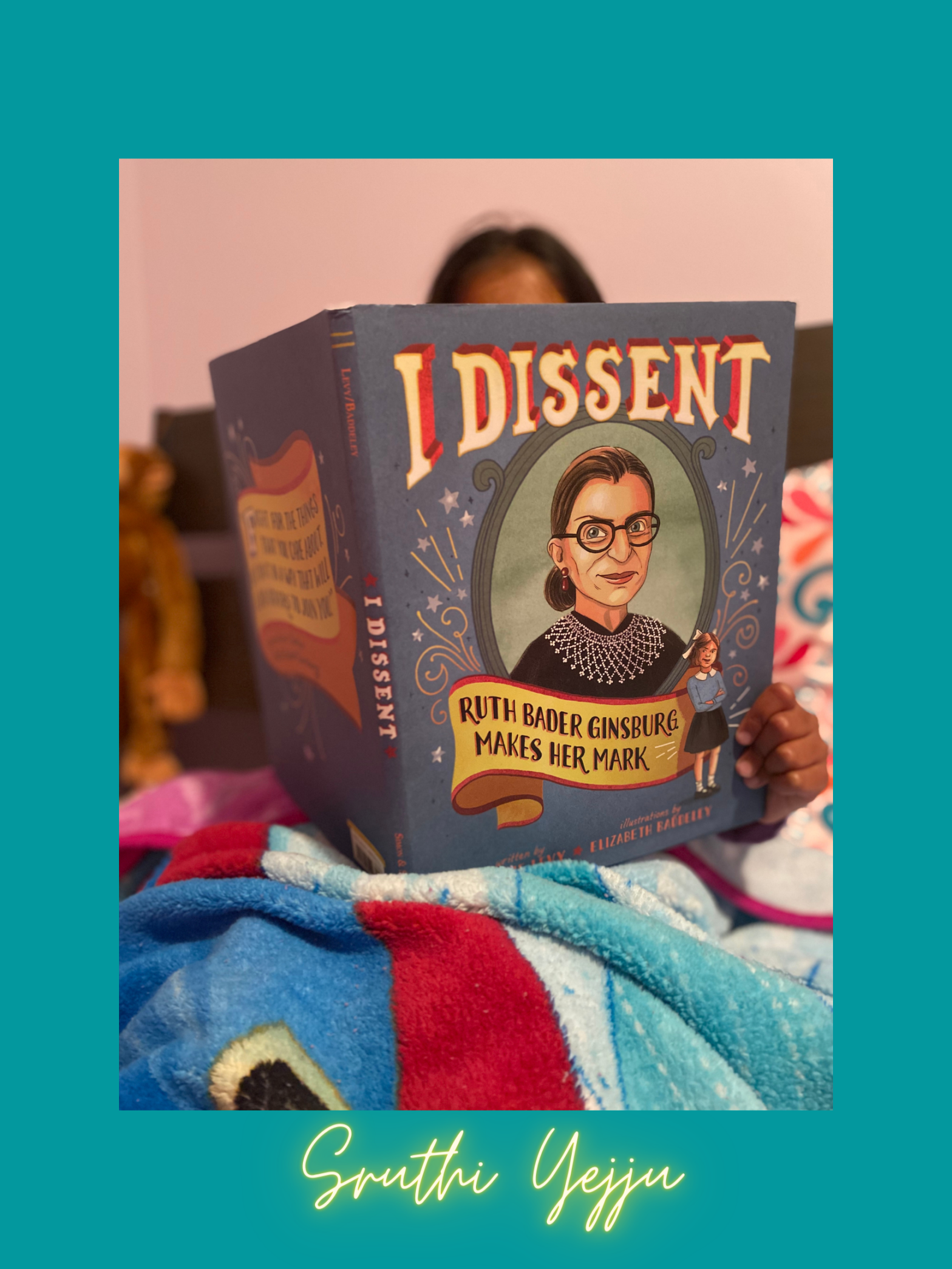
As a mother, she fueled Ruth’s natural intelligence. Celia encouraged reading and would make weekly library visits with Ruth. Here’s an excerpt from the book for children, ‘I Dissent: Ruth Bader Ginsburg Makes Her Mark’, written by Debbie Levy and illustrated by Elizabeth Baddeley:
“Celia Amster Bader thought girls should also have the chance to make their mark on the world. So she took Ruth to the library.
On the shelves were stories of girls and women who did big things. Ruth read about Nancy Drew, girl detective. She discovered Amelia Earhart, daring aviator. She learned of Athena, goddess of Greek myths. Here were independent girls and women, taking charge.
Ruth read her way into this world. Around her, the sweet scent of books blended with the savory aromas from the Chinese restaurant downstairs. Delicious! A girl could be anything.”
Celia encouraged her daughter’s candor and self-expression. Ruth grew up to be both Jewish and American. Celia had high ambitions for her daughter, which unfortunately, in a cruel blow of fate, she did not live to see them fulfilled.
When Ruth was a freshman at James Madison High School in Brooklyn, NY, Celia was found to have cervical cancer. She died at the age of 47 in 1950, one day before her daughter’s high school graduation. Ruth went on to make her mother proud and then some. Celia’s upbringing reflected in Ruth’s academic success.
In her journey to becoming Supreme Court Justice Ruth Bader Ginsburg, she reflected Celia Bader’s legacy of strength, character and resolve. I don’t need to elaborate on what RBG has done for gender equality and constitutional rights in this country, and in ripple effect, across the world – unless you live under a rock, you have heard of her accomplishments.
President Bill Clinton famously said during his announcement speech while nominating her as Supreme Court Justice in 1993, “Ruth Bader Ginsburg does not need a seat on the Supreme Court to earn her place in the American history books. She has already done that.”
And that was just at the beginning of her illustrious run as the second woman (first Jewish woman) to be appointed as a Supreme Court Justice…she served till her death on September 18, 2020 due to complications from metastatic pancreatic cancer.
Admittedly, her husband Martin Ginsburg and her children were an incredible support system when she was breaking the glass ceilings and being a revolutionary attorney, civil servant and lifelong advocate of gender equality. But, one cannot deny her mother, Celia Bader’s influence during her formative years and on how she chose to fulfill her mother’s dreams for her.
At the same ceremony in 1993 when Judge Ginsburg stood with President Clinton in the Rose Garden for announcement of her Supreme Court nomination, Ruth paid a tribute to her mother, “I pray that I may be all that she would have been had she lived in an age when women could aspire and achieve and daughters are cherished as much as sons.”
Oh, Notorious RBG, you have been much more than that. You are an icon, a legend, an inspiration and so much more that words and adjectives won’t suffice. You were your mother’s daughter.
If there was ever a doubt on how powerful a mother’s influence can be, we just have to remember Celia Bader and her daughter Ruth Bader Ginsburg.
“I Dissent!” has been famously associated with RBG…but I want to drive home the point that her mother Celia was the original “Dissenter”.
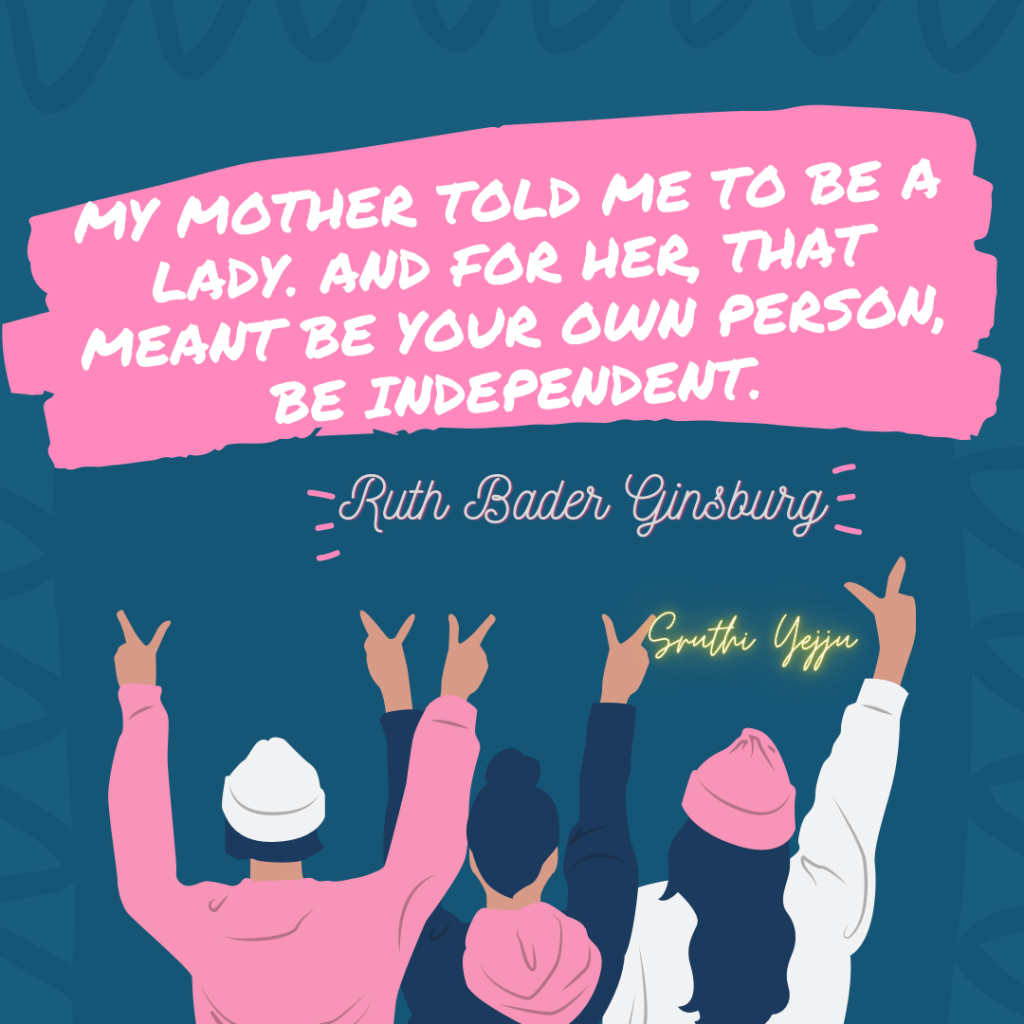
Celia Bader lived in a time and age where mothers were supposed to teach daughters on how to keep a home and be an obedient future wife. Instead, she chose to empower her daughter with education and independence. She chose to inspire her daughter to dream and work towards making her dreams come true. She chose to dissent against societal, religious and gender inequality to ensure her daughter rose above such restraints, to be whoever that she wanted to be.
If only I can be even half the mother as Celia Bader, to my daughter, I will consider myself a successful mom. I will teach my daughter about you and your daughter. Your legacy established by your daughter, will always live on.
In a public television documentary about Jewish Americans, Ruth Bader Ginsburg said, “What is the difference between a book-keeper in New York’s Garment District and a U.S. Supreme Court justice? One generation.”
One generation – with seeds of greatness planted in it by mothers like Celia Amster Bader.
Maria Chaudhry’s personal demons trap her in a downward spiral, but the beast lurking in Ehmet’s blood can do a lot worse than that. After a year of living in a prissy suburb, Maria Chaudhry is back downtown. Back to what she never wanted to leave. But she can’t really enjoy it since neither the living nor the dead will leave her in peace.
JC’s death still keeps her up at night and Ehmet’s sudden ambivalence isn’t helping. Maybe she had read his signals wrong and Ehmet was never in love with her like she thought. Or maybe his love is tangled with secrets too dark to speak aloud, secrets about JC’s death and the unpredictable beast in Ehmet’s blood.
When an upcoming hiking trip is canceled, there’s no pretty path left towards the truth. A growing spiral of deceit threatens to tear Maria and Ehmet apart forever, but the beast lurking within Ehmet can do a lot worse than that.
Mahtab Rohan’s debut YA novel delivers a paranormal tale of crumbling friendships, malevolent secrets, and the struggle to have hope in the face of uncertainty.
When HEAR OUR VOICES posted wanting reviewers for Your Heart After Dark (YHAD), reading the above synopsis intrigued me. South Asian and Muslim representation and paranormal – all in the same territory? That was a first! I immediately signed up for it even though it is Young Adult genre and I’m not really young anymore! Genre limitations have never stopped me before though so I was going to try anyway! I was truly excited when I got picked to be a part of their book tour for YHAD.
Today, Sept 9th, is my stop for the book tour! So here goes…
It took me a while to get into the book at first…a few pages in and it hooked my interest. After that I literally finished the book in 2 sittings of 2 hours each. This book has a unique representation of Uyghur, Desi and Muslim hijabi as the Main Characters. It is truly uplifting the way the author has developed these characters. The desi references throughout the book were spot on too, and brought a smile to my face while reading.
YHAD follows Maria, Ehmet and their group of close friends, all dealing with teenage struggles, secrets, family issues and mostly, the death of a beloved group member.
Mahtab Rohan did an impressive portrayal of the central character, a Muslim hijabi, Maria. Even though she’s battling emotional turmoil, upheavals in her personal life and irreparable grief, she is inspiring with her confidence in her skin, her religion, her self-respect and her loyalty for her family and friends. Granted some of the anguish is more in her mind than real, but then when is half of it not? Throughout the novel, the character development is brilliant. You see a girl who’s been forced by circumstances to grow up too soon into a woman with an outlook of life beyond her age, but you also see a daughter, a friend, a big sister, a granddaughter and everything else in between.
During a course of conversation, a character asks her why doesn’t she get rid of her headscarf if it troubles her so much. Maria replies, it is not the headscarf that troubles her, it’s the people. If you didn’t fall in love with the character till then, at that point you sure will.
Now coming to the other main character, Ehmet, a Uyghur, who also happens to be the paranormal protagonist – when have you ever heard a story with South Asians and werewolves in it? I was fascinated to see how this story arc plays out. I was a little disappointed – I felt either there should have been more of it or maybe none. The book already has enough gravitas to be interesting without the supernatural element. Since the book kind of ends on a cliffhanger, maybe we will see this arc develop more in the sequel? I hope so, because I do have questions that need to be answered. Overall though it made for some dramatic moments in the story, along with tying in with the life-changing major event that Maria, Ehmet and their friends are dealing through. It was a bold and unique attempt by the author and I appreciate it.
One other thing that I was not a fan of, were the multiple perspectives and the going back and forth between past and present. It made the book a little hard to follow at times due to the abruptness of it in some places. Some sections didn’t connect well. Personally, I would have preferred to just keep it to Maria and Ehmet narrating. Other voices at times weren’t necessary in my opinion. However, YOU, as a reader, maybe able to transition between the voices and time frames better than me, so don’t let this deter you from reading.
All of the characters experience hardships and have to deal with their personal demons. The author does a good job with the layers and depths of feelings depicted, making it a powerful and emotional read. The metaphorical writing is mesmerizing in places. Some of my favorite quotes from the book:
“Life starts with one breath and ends with one breathe, too. If you learn how to control the breaths in between, you can save yourself a lot of grief.”
“It’s up to you how you see your life, so why not see it is as a story of conquering everything that came your way? Why pick misery as a lens over triumph?”
“The best way to move on is to only think of the moment I’m in, nothing that happened before it and nothing that might happen after it. The past and the future are realms of unhappiness and only the present can be saved.”
At the end of it, I have 3 points that will compel you to pick this book irrespective of the genres you generally incline to:
1. The #ownvoices representation of South Asians, Muslims, Muslim hijabi and Uyghur – we can never support diversity enough.
2. Even though it is categorized as Young Adult and all the main characters are teenagers, for a change it is not a shallow, girl-meets-boys-meets-girl, hormonal-induced antics or general stereotypical teen foolishness that we tend to see in a lot of the books. It is an intelligent and profound read, with well-written characters.
3. The best part about YHAD is that religion is not used a weapon/source of conflict. It is just there as a daily life, every day thing. There is no preaching, no undue oppression or unwarranted dialogues. That was truly refreshing, especially given the Islam discourse which invariably, (in so much books that I have read) tends to go in overreaching, appalling tangents.
Congrats to Mahtab Rohan for her successful debut!
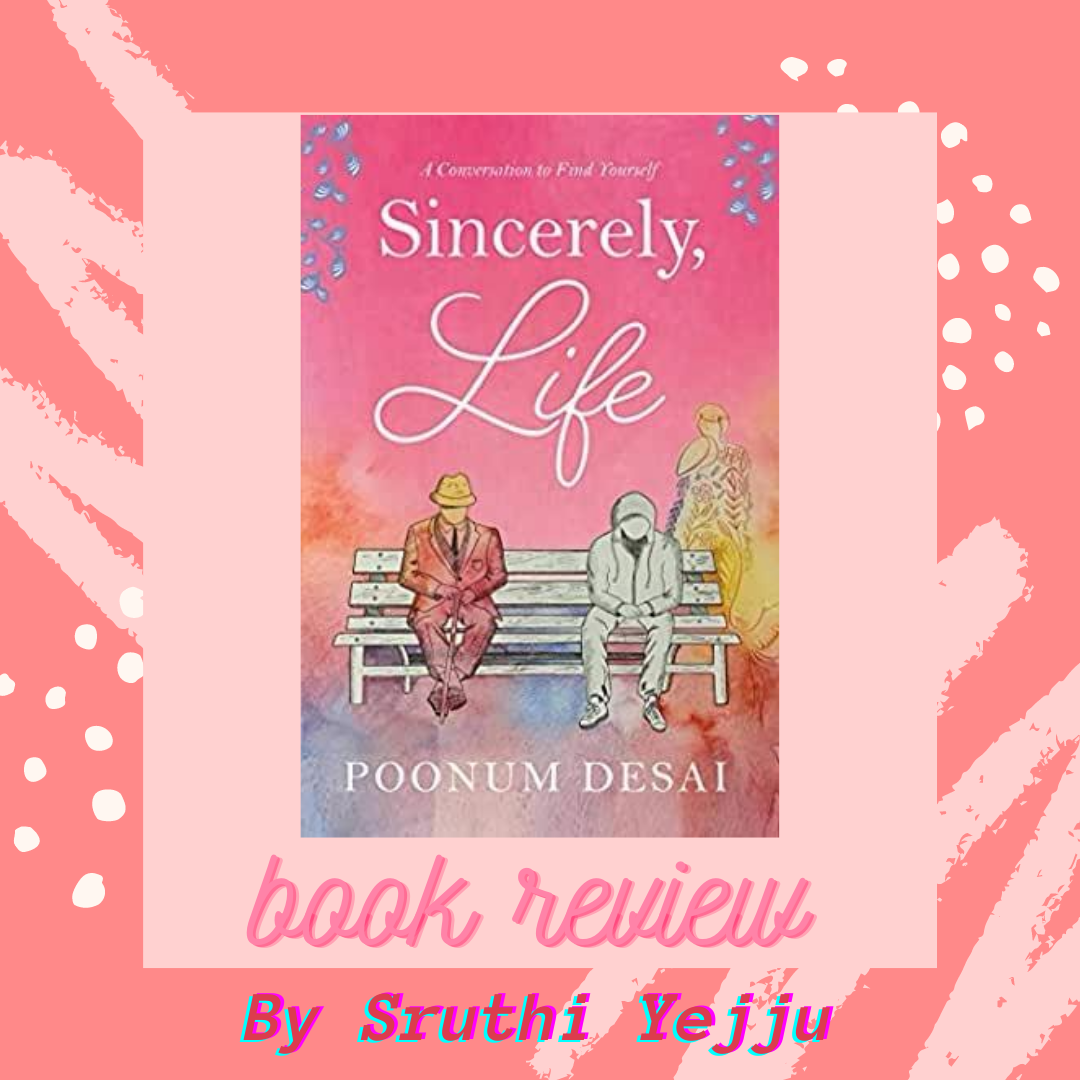
It sure would make things a lot easier. But of course, life does not come with a manual, because there is no “right” way to live. But what if there was a guide that could help you explore and design your personal manual? Voyage through this sixty-day adventure to discover the treasures hidden within you-treasures that are the small pieces used to build your unique manual. Are you up to the challenge?
I was immediately intrigued by reading this blurb. A “personal growth” book by an Indian author? I had to read it. I was nervous though as it would be my first book review on my blog, and I wasn’t sure authors would want to pick me to do a review when I barely have a few dozen followers on Instagram (I’m fairly new to this platform). So I was pleasantly surprised and excited when the author Poonum Desai contacted me. When we eventually spoke and I gave a disclaimer that this would be my first ever book review, she simply said, “We all have to start somewhere.”
She floored me with her positive and humble attitude. I couldn’t be more grateful and excited to get started. All Ms. Desai insisted on was a truthful, honest, no-sugar-coated review. So here goes…
Sincerely, Life: A Conversation to Find Yourself is a series of open letters, poems and activities which will help you explore yourself. All the prose is as if ‘Life’ itself is talking to you. It’s a 60-days journey of self-discovery and self-reflection. Honestly, it was like a breath of fresh air to me. With everything that’s going around in the world today, it was a positive outlet for me to take a breather, reflect and affirm my thoughts peacefully.
Although, it says 60 days, you, of course, are free to move at your own pace. Every day marks a different aspect of life to discover afresh, a different task for the day and a reaffirmation of your personal mantra which you ascertain in the first few days of your journey. The checklist for each day may or may not always be practical or possible to be done that day, but I think that’s ok. You still walk away from each daily chapter, exploring the depths of your mind.
For the sake of the review, I completed the book in less than 30 days. However, I have earmarked several chapters to go back to at leisure later. I felt that you have to be ready to deal with your thoughts through a number of the daily musings. Some will leave you in tears…tears which unburden your soul…tears which rejuvenate you.
As Life is on a daily basis, some chapters are lighthearted and some are heavy. Either ways, it will leave an imprint on you.
As Ms. Desai pointed out in one of my conversations with her, her purpose of writing this book was to coach young adults something that they don’t teach in schools or colleges – how to live life? Yes, they provide you the skills to make a living, but how to you make it a fulfilling happy life? What according to YOU is a happy life? What according to YOU is wealth? What do YOU want from life? You may just find the answers during your journey with this book called Sincerely, Life.
There are several quotes from the book that will stay with you. You will probably want to frame and hang up a few of them in your bedroom or office. I know I will.
“You are a person. You are an experience. You are an individual. A spellbinding creation that no one else can replicate!” This is by far my favorite quote from the book…I’m sure it will be one of yours too.
Another statement from the prologue of the book really resonated with me.
“To look for someone else to fix your problems is a waste of time, for the weeds of toxicity are self-grown, thus self-removed.”
So many times we blame certain people or certain situations for our own misery…I, myself, have been guilty of that. I will be sure to come back to this quote the next time I fall into that trap.
And finally, a reminder for us all when we get overwhelmed with the rat race: “Happiness is a journey. There is no right route………..Finally, all is well.”
Let me know your thoughts! If you have read the book, let me know what you think. Leave me a comment and let me know how did I do on my first book review!
Battles with my fast-growing, strong-willed daughter have become a daily occurrence. I wake up every morning determined to not shout at her today. But one too many times of me telling her to just eat her damn food without talking (it’s already been 30 minutes for just 2 slices of toast!) and I can literally see my resolution slipping.
I’m trying very hard to take a step back and not be the toxic mother that I fear I’m becoming. However, she’s still young enough to declare at the end of the day that I’m the ‘best mommy in the world’ and give me a hug – except I’m painfully aware that she will outgrow this phase soon enough. Soon enough she will start hating me.
The worst part – it is bound to happen no matter what I do.
As if I needed more proof for this, I happened to watch the Hindi movie ‘Shakuntala Devi’. Along with being a biographical film about the mathematical genius “Human Computer” of India, Shakuntala Devi, it was also a mother-daughter tale brought to life by Vidya Balan and Sanya Malhotra.
Before I venture further into my midnight ramblings, I want to clarify that apart from the public persona of Shakuntala Devi that I saw in the news and television in my childhood, I have no knowledge of her personal life. The movie, though it is ‘based on her true story’, is obviously in pure Bollywood style dramatized and altered for the cinematic experience. So, other than her mathematical achievements portrayed in the movie, I don’t know which personal aspects of her life shown in the movie are true and which are fabricated for dramatic effect. That being said, looking at it from purely unbiased eyes as just another film and not about a famous celebrity, the mother-daughter dynamics showcased in it really got me thinking.
Basically, from my observations in real life and the reel life story in the movie, whatever a woman does as a mother, she is damned.
You are damned if you are a working mom, and you are damned if you are a stay-at-home-mom.
You are damned if you are a mother who can’t stand up for yourself in front of your husband/family, and you are damned if you are a mother who stands up for her rights and fights her husband or the world or sometimes both for it.
You are damned if you are a free spirit, and you are damned if you are a wallflower.
You are damned if you are sending your child(ren) to in-person school during this pandemic (Oh what if they get exposed and get sick? Are you so incapable of taking care of your own children at home? Etc etc) and you are damned if you are keeping them home for virtual schooling (Oh but what about their socio-emotional health? What if they fall behind in academics? Etc etc).
You are damned if your children are playing outside with their friends (are you not concerned about social distancing?) and you are damned if you keep them home to themselves (they need to interact with their friends…don’t you know how important it is for their mental health? You need to lighten up a little about this pandemic!).
You are damned if you are a strict mom (you are ruining the child’s sense of creativity or freedom) and you are damned if you are a lenient one (how can you be so careless? They will turn out to be spoilt brats!).
As a mother, no matter what you do, you are judged. Times may have changed some from Shakuntala Devi’s lifetime to now, but mothering is still an open topic for condemnation. There are still fingers pointed, sarcasm thrown and acid aunties trying to bring you down.
And again, the movie reiterates what I fear the most – the worst part – when the judgement happens by your own children.
According to the movie, Shakuntala Devi hated her mother for not standing up against her father. Fast forward a couple decades and Shakuntala’s daughter hated her mother for being the globe-trotting public figure because she felt her childhood suffered because of it and she always lived in her mom’s shadow. Of course, being a Bollywood movie the mother and daughter reconcile in Shakuntala’s old age and all ends well…but in real life the number of years wasted with anger, hate, resentment and judgement cannot be brought back.
It is understandable, children when young and unburdened by the world, are not mature enough to see beyond their mother’s imperfections. They don’t grasp the nitty-gritty’s and the stories/reasons behind whatever it is they think their mother did wrong. Because they see only the “mother” – they don’t see the “woman” under that persona. They see the mother who missed their school recital because of a meeting. They don’t see the woman who has put years of studying and working hard to be in the position that she is today and how important the meeting was for her job. As rightly said in the movie, it’s only when they have children of their own that they realize the value of their own mother.
I, myself, have been guilty of throwing judgement at my mother. And I, myself, see the cycle repeating with my own daughter. I wish I could change what I did or how I felt with respect to my mom, when I was younger – I can’t. But, I can assure you that now no one is more proud of my mom than I am. I’m her biggest cheerleader now and I will stand by her through whatever till the end of time. I hope she knows it. I’m sorry ma for the hard time I gave you…thank you for staying sane…I love you!
I wish my daughter has better sense than me but I highly doubt it, as she’s after all a child. It’s karma, like any other thing. What goes around comes around. She will feel what I feel now, when she has kids of her own and realizes that whatever I do or don’t do; she is and will be always my number one. However, for now, in this moment, she will see my imperfections and I just have to deal with it. And hope that in a few years when she’s older she will be my biggest cheerleader, as I will always be hers.
My mom, my daughter and I (hopefully, fingers crossed) are among the lucky ones. But, what about those who run out of time before they reach the point of realization? What about those who don’t have as supportive family as my dad or my husband to get them through it? What about those where the bridges are burnt so bad, that there is no going back? I shudder to think of it. As seen in the movie, Vidya Balan’s Shakuntala Devi goes back to her maiden home years after her mother passes away. Ages after not even having spoken to her mother before she died. What about real life women like them? I pray no one should have to suffer such a fate.
I hope families remember that a mother is not just a mother, but a woman with her own dreams and feelings. I hope people see a woman in her entirety and not just a person to bear and care for the child. To be clear, I’m not saying mothers should forego their responsibilities. All I am saying is it’s ok to be more than a mother. It’s ok to have an identity in addition to being a mom and still be the best mother you can be. It’s acceptable to achieve your ambitions while being a mother.
I hope the world is a little more supportive and a little less judgemental.
Admittedly, I’m not trying to preach or claiming I’m innocent – I am guilty of damning other moms who have done things differently than me. I am guilty of gossiping about them. I am guilty of judging. I apologize profusely and I’m striving to change that. I accept my flaws, and I resolve to amend my mistakes. I promise to teach my daughter better so that she becomes a woman who uplifts and supports other women. I hope my friends know that I offer a no-judgement safe space for them. I maybe imperfect but I will be damned if I don’t work on being a better woman, a better mother and a better girlfriend to my fellow moms…because I know my daughter is watching and learning from me.
If you have come this far, thank you for sticking through my heartfelt, wordy out pour.
Definition of ‘Shero’: A woman admired or idealized for her courage, outstanding achievements or noble qualities. An amalgamation of ‘she’ and ‘hero’.
Shero is in the scrabble dictionary so you know it is legitimate (for next time you play…you are welcome!)
In urban colloquial, a woman or even a man who supports women’s rights and respects women’s issues.
Webster dictionary defines ‘Shero’ as “a woman regarded as a hero”. The word actually originated in 1892 during the suffragette movement.
In an article published in Forbes couple years ago, Mary Ellen Duggan stated something that resonated with me as the true meaning of the word – “Sheroes are everyday people, who not only support women and diversity but have strong character and abilities. They are gender blind and champions for success. They support, encourage and push every woman to be better. Anyone (man or woman), from any culture, at any age, can be a shero. But to get that title, the bar is very high.”
With that being said, I have looked up to several sheroes in different stages of my life. However, my mom has been a constant. She’s my all-time Shero!
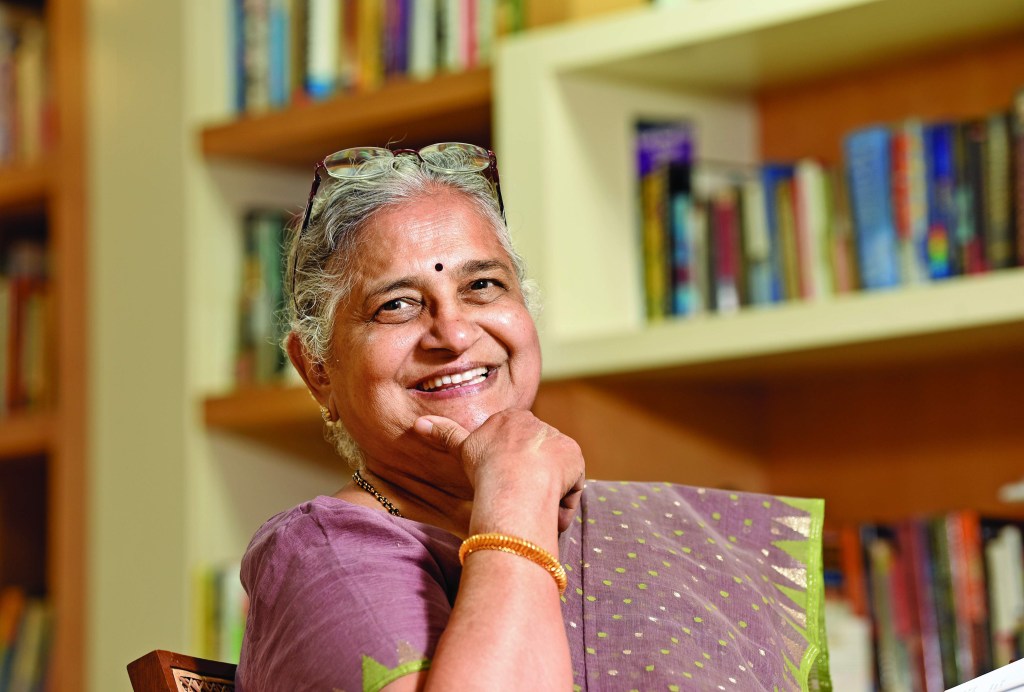
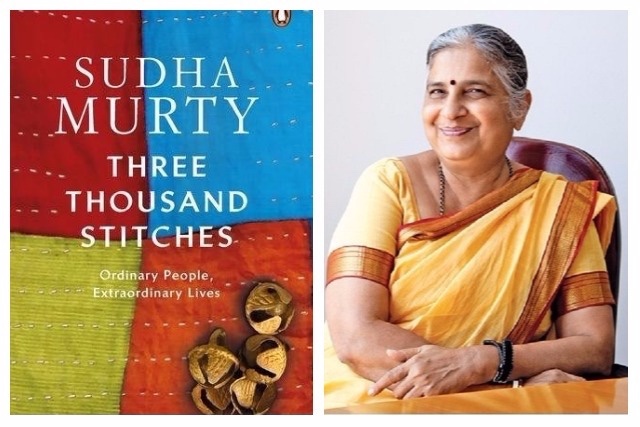
Aside from my mom, my latest Shero right now is Sudha Murthy. I have been following her story from a long time on and off, from the time I lived and studied in Bangalore (now renamed Bengaluru). I renewed my interest in her after a recent conversation with my friends about her books…and my respect for her has only multiplied since.
We have all heard of her generous philanthropy in Karnataka, India. But many of her accolades are unsung.
SUDHA MURTHY
For over a decade she has been working tirelessly to change the lives of children in the heart of rural Karnataka by providing them access to food and education. She has founded several orphanages and participated in rural development efforts. She spearheaded the movement to provide all Karnataka government schools with computer and library facilities, even personally teaching the subject of computer science in some schools. She and husband Narayana Murthy established ‘Murthy Classical Library of India’ at Harvard University.
As Chairperson of Infosys Foundation, she has played a major role in enforcing corporate social responsibility not just in Infosys but also across the entire corporate sector of India. She is also a member of the public health care initiatives of the Gates Foundation by Melinda and Bill Gates.
A lesser known fact about her is that she became the first female engineer hired at India’s largest auto manufacturer TATA Engineering and Locomotive Company (TELCO). She had written a postcard to the company’s Chairman at the time, complaining of the ‘men-only’ gender bias at TELCO. As a result, she was granted a special interview and hired immediately. She joined the company as a Development Engineer in Pune and then worked in Mumbai & Jamshedpur as well. She paved the path for thousands of women engineers after her.
Her philanthropy and simplicity are a true inspiration. Along with such world-changing laurels, she also is a renowned author in Kannada and English, and a dedicated mother and wife.
In 2006, she was awarded the fourth highest civilian award in India, Padma Shri. A.P.J. Abdul Kalam, the then president of India, handed her the award.
Read on to see what happened when Sudha Murthy was called “cattle class”. The following excerpt is copied from Outlook India magazine and is from her book ‘Three Thousand Stitches: Ordinary People, Extraordinary Lives’, originally published in 2017.
Talking from her personal experiences, Sudha Murty, in her book ‘Three Thousand Stitches’ sheds light on some of the prevailing biases in the society. In this extract from the book, the otherwise calm, almost 70-year-old wife of industrialist Narayana Murthy gives fellow traveler a piece of her mind when she was called a ‘cattle class person’ at the Heathrow airport.
Quote
“Last year, I was at the Heathrow International Airport in London about to board a flight. Usually, I wear a sari even when I am abroad, but I prefer wearing a salwar kameez while travelling. So there I was — a senior citizen dressed in typical Indian apparel at the terminal gate.
Since the boarding hadn’t started, I sat down and began to observe my surroundings. The flight was bound for Bengaluru and so I could hear people around me chatting in Kannada. I saw many old married couples of my age — they were most likely coming back from the US or UK after helping their children either through childbirth or a new home. I saw some British business executives talking to each other about India’s progress. Some teenagers were busy with the gadgets in their hands while the younger children were crying or running about the gate.
After a few minutes, the boarding announcement was made and I joined the queue. The woman in front of me was a well-groomed lady in an Indo-Western silk outfit, a Gucci handbag and high heels. Every single strand of her hair was in place and a friend stood next to her in an expensive silk sari, pearl necklace, matching earrings and delicate diamond bangles.
I looked at the vending machine nearby and wondered if I should leave the queue to get some water.
Suddenly, the woman in front of me turned sideways and looked at me with what seemed like pity in her eyes. Extending her hand, she asked, ‘May I see your boarding pass, please?’
I was about to hand over my pass to her, but since she didn’t seem like an airline employee, I asked, ‘Why?’
‘Well, this line is meant for business class travellers only,’ she said confidently and pointed her finger towards the economy class queue. ‘You should go and stand there,’ she said.
I was about to tell her that I had a business class ticket but on second thoughts, held back. I wanted to know why she had thought that I wasn’t worthy of being in the business class. So I repeated, ‘Why should I stand there?’
She sighed. ‘Let me explain. There is a big difference in the price of an economy and a business class ticket. The latter costs almost two and a half times more than . . .’
‘I think it is three times more,’ her friend interrupted.
‘Exactly,’ said the woman. ‘So there are certain privileges that are associated with a business class ticket.’
‘Really?’ I decided to be mischievous and pretended not to know. ‘What kind of privileges are you talking about?’
She seemed annoyed. ‘We are allowed to bring two bags but you can only take one. We can board the flight from another, less-crowded queue. We are given better meals and seats. We can extend the seats and lie down flat on them. We always have television screens and there are four washrooms for a small number of passengers.’
Her friend added, ‘A priority check-in facility is available for our bags, which means they will come first upon arrival and we get more frequent flyer miles for the same flight.’
‘Now that you know the difference, you can go to the economy line,’ insisted the woman.
‘But I don’t want to go there.’ I was firm.
The lady turned to her friend. ‘It is hard to argue with these cattle-class people. Let the staff come and instruct her where to go. She isn’t going to listen to us.’
I didn’t get angry. The word ‘cattle class’ was like a blast from the past and reminded me of another incident.
One day, I had gone to an upscale dinner party in my home city of Bengaluru. Plenty of local celebrities and socialites were in attendance. I was speaking to some guests in Kannada, when a man came to me and said very slowly and clearly in English, ‘May I introduce myself? I am . . .’
It was obvious that he thought that I might have a problem understanding the language. I smiled. ‘You can speak to me in English.’
‘Oh,’ he said, slightly flabbergasted. ‘I’m sorry. I thought you weren’t comfortable with English because I heard you speaking in Kannada.’
‘There’s nothing shameful in knowing one’s native language. It is, in fact, my right and my privilege. I only speak in English when somebody can’t understand Kannada.’
The line in front of me at the airport began moving forward and I came out of my reverie. The two women ahead were whispering among themselves, ‘Now she will be sent to the other line. It is so long now! We tried to tell her but she refused to listen to us.’
When it was my turn to show my boarding pass to the attendant, I saw them stop and wait a short distance away, waiting to see what would happen.
The attendant took my boarding pass and said brightly, ‘Welcome back! We met last week, didn’t we?’ ‘Yes,’ I replied. She smiled and moved on to the next traveller.
I walked a few steps ahead of the women intending to let this go, but then I changed my mind and came back. ‘Please tell me—what made you think that I couldn’t afford a business class ticket? Even if I didn’t have one, was it really your prerogative to tell me where I should stand? Did I ask you for help?’
The women stared at me in silence. ‘You refer to the term “cattle class”. Class does not mean possession of a huge amount of money,’ I continued, unable to stop myself from giving them a piece of my mind. ‘There are plenty of wrong ways to earn money in this world. You may be rich enough to buy comfort and luxuries, but the same money doesn’t define class or give you the ability to purchase it. Mother Teresa was a classy woman. So is Manjul Bhargava, a great mathematician of Indian origin. The concept that you automatically gain class by acquiring money is an outdated thought process.’
I left without waiting for a reply.
Approximately eight hours later, I reached my destination. It was a weekday and I rushed to office as soon as I could only to learn that my day was going to be spent in multiple meetings. A few hours later, I requested my program director to handle the last meeting of the day by herself as I was already starting to feel tired and jet lagged.
‘I am really sorry, but your presence is essential for that discussion,’ she replied. ‘Our meeting is with the organization’s CEO and she is keen to meet you in person. She has been following up with me for a few months now and though I have communicated our decision, she feels that a discussion with you will change the outcome. I have already informed her that the decision will not be reversed irrespective of whom she meets, but she refuses to take me at my word. I urge you to meet her and close this chapter.’
I wasn’t new to this situation and reluctantly agreed. Time went by quickly and soon, I had to go in for the last meeting of the day. Just then, I received an emergency call. ‘Go ahead with the meeting,’ I said to the program director. ‘I will join you later.’
When I entered the conference room after fifteen minutes, I saw the same women from the airport in the middle of a presentation. To my surprise, they were simply dressed—one was wearing a simple khadi sari while the other wore an unglamorous salwar kameez. The clothes were a reminder of the stereotype that is still rampant today. Just like one is expected to wear the finest of silks for a wedding, social workers must present themselves in a plain and uninteresting manner.
When they saw me, there was an awkward pause that lasted for only a few seconds before one of them acknowledged my presence and continued the presentation as if nothing had happened.
‘My coffee estate is in this village. All the estate workers’ children go to a government school nearby. Many are sharp and intelligent but the school has no facilities. The building doesn’t even have a roof or clean drinking water. There are no benches, toilets or library. You can see children in the school . . .’
‘…But no teachers,’ I completed the sentence.
She nodded and smiled. ‘We request the foundation to be generous and provide the school with proper facilities, including an auditorium, so that the poor kids can enjoy the essentials of a big school.’
My program director opened her mouth to say something, but I signalled her to stop. ‘How many children are there in the school?’ I asked.
‘Around 250.’
‘How many of them are the children of the estate workers?’
‘All of them. My father got the school sanctioned when he was the MLA,’ she said proudly.
‘Our foundation helps those who don’t have any godfathers or godmothers. Think of the homeless man on the road or the daily-wage worker. Most of them have no one they can run to in times of crisis. We help the children of such people. The estate workers help your business prosper and in return, you can afford to help them. In fact, it is your duty to do so. Helping them also helps you in the long run, but it is the foundation’s internal policy to work for the disadvantaged in projects where all the benefits go directly and solely to the underprivileged alone. Maybe this concept is beyond the understanding of the cattle class.’
Both the women looked at each other, unsure of how to respond.
I looked at my program director and said, ‘Hey, I want to tell you a story.’
I could see from her face that she was feeling awkward. A story in the middle of a serious meeting?
I began, ‘George Bernard Shaw was a great thinker of his times. One day, a dinner was arranged at a British club in his honour. The rules of the club mandated that the men wear a suit and a tie. It was probably the definition of class in those days.
Bernard Shaw, being who he was, walked into the club in his usual casual attire. The doorman looked at him and said very politely, “Sorry, sir, I cannot allow you to enter the premises.”
“Why not?”
“You aren’t following the dress code of the club, sir.”
“Well, today’s dinner is in my honour, so it is my words that matter, not what I wear,” replied Bernard, perfectly reasonable in his explanation.
“Sir, whatever it may be, I can’t allow you inside in these clothes.”
Shaw tried to convince the doorman but he wouldn’t budge from his stance. So he walked all the way back to his house, changed into appropriate clothes and entered the club.
A short while later, the room was full, with people sitting in anticipation of his speech. He stood up to address the audience, but first removed his coat and tie and placed it on a chair.
“I am not going to talk today,” he announced.
There were surprised murmurs in the audience. Those who knew him personally asked him about the reason for his out-of-character behaviour.
Shaw narrated the incident that happened a while ago and said, “When I wore a coat and tie, I was allowed to come inside. My mind is in no way affected by the clothes I wear. This means that to all of you who patronize the club, the clothes are more important than my brain. So let the coat and the tie take my place instead.” ‘Saying thus, he walked out of the room.’
I stood up. ‘The meeting is over,’ I said. We exchanged cursory goodbyes and I walked back to my room.
My program director followed me, ‘Your decision regarding the school was right. But what was that other story all about? And why now? What is this cattle-class business? I didn’t understand a thing!’
I smiled at her obvious confusion. ‘Only the cattle-class folks will understand what happened back there. You don’t worry about it.”
Excerpted from Three Thousand Stitches by Sudha Murty with permission from Penguin.
Unquote
This short story in itself embodies the values and principles of Sudha Murthy. She is a true Shero!
Who’s yours? I would love to know! Leave a comment!
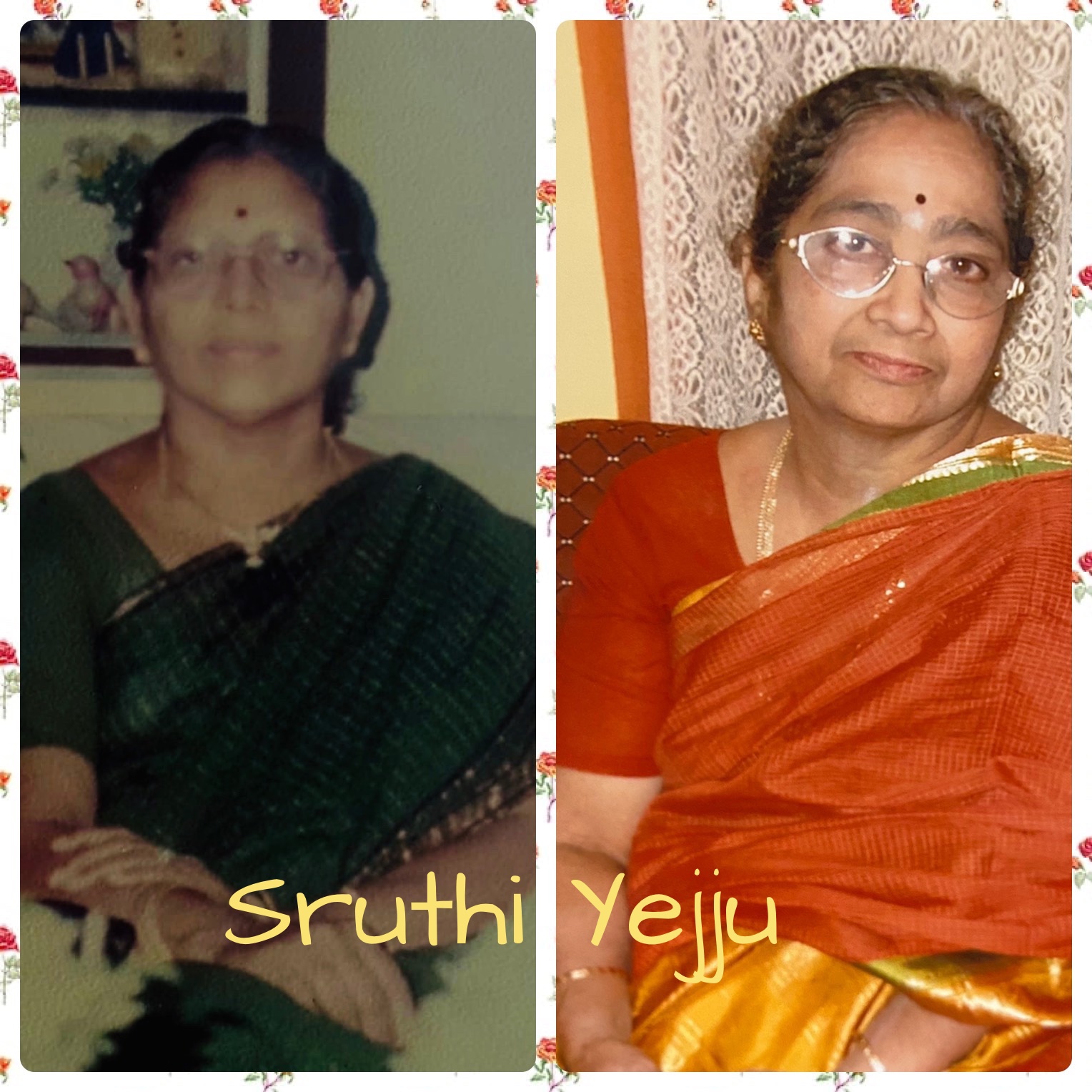
Both of mine have passed away, yet they linger in memories, Memories strong enough to prick the heart even after so many years… I was richly blessed to have the best grandmas ever, They are now my guardian angels in heaven…
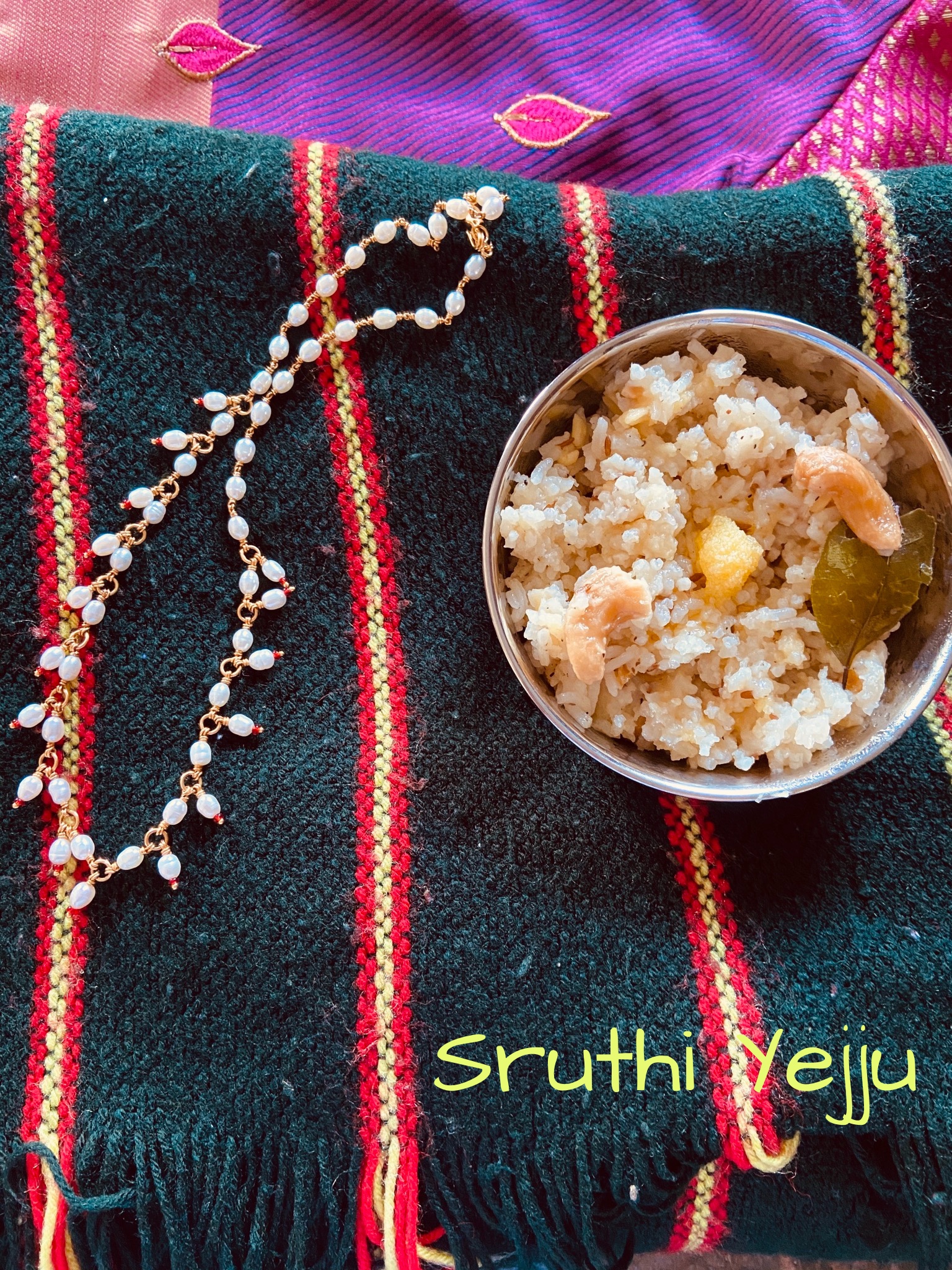
She evokes in the taste of a favorite dish she used to cook, Or in the smell of an old shawl she used to drape… In the feeling when I just did something she would have liked, In the sound of her laughter that still echoes in my ears…
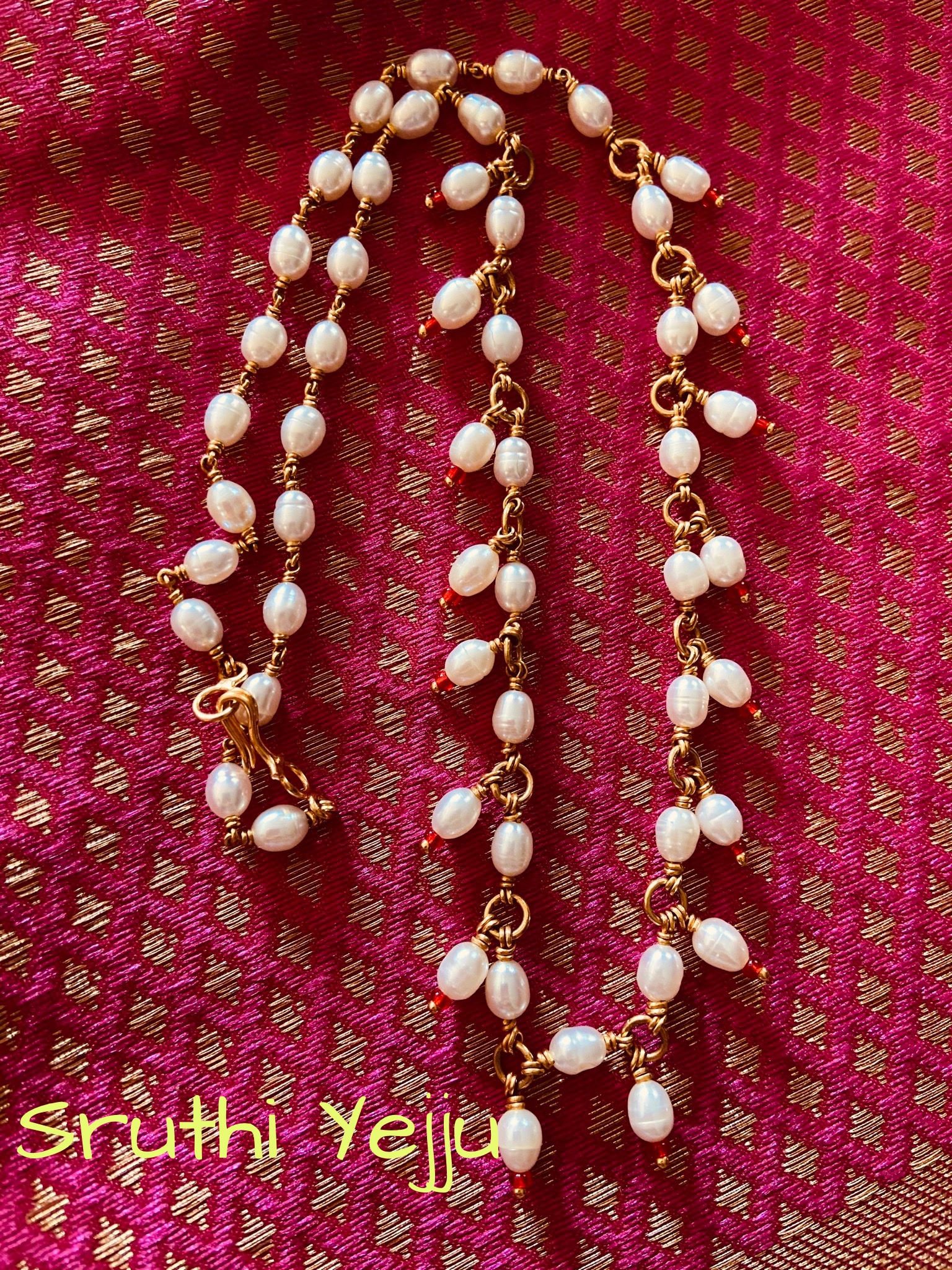
I never fail to feel the warmth of her presence, Every time I wear her pearl chain… I always recall her smile with the sparkle in her eyes, Every time I wear the diamond earrings she gifted when I got engaged…
I happen to say something to my daughter, And I stop in my tracks remembering my grandma saying it to me… I do something just like how she did, Without even having realized that I learnt it subconsciously…
The games we played in the lazy afternoons of my childhood, I’m teaching those to my daughter now… How she would keep loosing every time we played checkers, Just to make me feel like a winner…
The scene of her sitting on the kitchen floor rolling the shell-shaped sweets I liked, Is still fresh in front of my eyes like it’s happening in real life… Her insistence on giving me the best pieces in the chicken curry, Still remind me of my sense of childish pride…
My childish pride that she loved me the most, My happiness that she gave me so much importance… More than her own children, more than her husband, If I was there I was the one and only apple of her eyes..
I was the eldest grandchild on both my parents side, Pampered unconditionally by the grandparents… I was the only grandchild for many years, Spoilt with love and care beyond reproach…
One would think memories fade with time, But for me they grow stronger maybe because I now have a daughter of my own.. A daughter with her own not 1, not 2 but 3 grandmothers, And she’s also a lucky blessed one…
If I thought no grandmas can love their granddaughter more than mine did, My daughter’s grandmas go on to prove me wrong… Again she’s the eldest granddaughter, I think that’s the best one to be…
But then again I’m biased. I’m biased to my own love for my grandmas, I’m biased to my perception of their love for me… Apologies to my brother and my cousins, But I can bet y’all our grandmas loved me more…
It’s been almost 25 years since my paternal grandma died and almost 13 since my maternal grandma passed away, Yet I’m sure their memories will live with me as long as I do… Sometimes loving, sometimes smiling, sometimes tearful, But always comforting like their hugs, like a cozy blanket on a cold gloomy day…
“Grandma” is not just a person, she’s an emotion…
Grandmothers are like warm hugs with sweet memories!
I was blessed to have my grandmas as an integral part of my life growing up. What is your favorite memory of your grandmother(s)? I would love to read your stories – leave me a comment. Share with your siblings/cousins and reevaluate who your grandma loved more! I know I will! 😂
“Women are like tea bags. You never know how strong they are until they are in hot water.” – Eleanor Roosevelt
Women are warriors.
No, I’m not a radical feminist. Some days, I’m shameful to say, I’m not even a lenient feminist. I’m trying to change that for my daughter’s sake. Feminism apart, all I’m simply claiming is that women are the superior gender.
For starters, our bodies are the ones chosen to give birth to another tiny human being. Honestly, if you ask me, that should be the end-all argument to prove my point. But, moving on…
I have been fortunate to have some strong women in my life – my grandmothers, my mom, my aunt, my sister-in-law and so many of my friends. I have witnessed the struggles, the hardships, the triumphs and the success. I have seen them losing some battles along the way, but at the end they always win the war!
I also have some amazing men in my family, yet they couldn’t match up to what the women have gone through and achieved and flourished.
We, as women, are born fighters. We fight to survive, we fight for our rights, we fight for equality and we fight for our children.
Case in point is my daughter herself. She fought to survive in my womb under duress for months…she fought to survive as a preemie in NICU. And survive she did and is thriving. God bless her heart! It’s going to be 8 years and yet writing this still tears me up. My husband and I fought for her too – we kept hope alive, and we fought to keep her alive. But, she gets the credit for her willpower to survive. She’s a stubborn one and I’m glad for it!
I have often read – strong women aren’t simply born, they are forged through challenges of life. I agree with it only partially. I believe women are born strong. In the journey of life, at what point each of us realizes our strength, that depends on the circumstances and curveballs life throws at us.
As Mark Anthony (not the singer, the author) famously wrote in his book of poetry: – “And one day she discovered that she was fierce, and strong. And full of fire. And that not even she could hold herself back because her passion burned brighter than her fears.”
I truly believe that is the case. We are born strong, and with each challenge that we face we grow, mentally and emotionally…we grow more powerful. Powerful in our heart, our soul and our spirit.
From time immemorial, women have been suppressed, for various reasons, over the ages. And from time immemorial, we have clawed our way up with our heads held high – whether it is for our right to education, our right to vote, our right to drive, our right to do whatever it is that we want to do.
We have fought for our rights to not be confined to the checkboxes of the society.
Our right to have our own goals and ambitions. Our right to have a place in the “male-oriented” workplaces. Our right to have a voice. Our right to just be…ourselves.
Today, my daughter has innumerable opportunities at her disposal. She has the liberty and freedom to do as she wishes, to become what she wants and to be whatever her heart desires. It’s thanks to the multitude of women through the generations who have fought for their rights resulting in empowerment of women across the world.
I want to be able to teach her to always stand up for herself, to be strong and fierce. I want to tell her face life and the world, with the strength of womankind behind her, with integrity and humility. To always know that it’s ok to seek help when needed and rise from the pitfalls, because pitfalls there will be. And above all to never undermine her value and her worth, to never settle for less.
I want her to know that she is a warrior…and there is no other force more powerful in her life than herself!
Can you feel the world changing? Can you hear it taking a sigh?
Can you hear the voices fighting for justice?
Do you anticipate the emergence of a new era?
Did you evaluate how your priorities changed in the last 3 months dealing with a worldwide pandemic?
Are you standing up or kneeling down for what is right? Are you standing down to protect yourself and those you love?
Is the pandemic waning? Or is just a lull before the next storm?
How long will it take to claw back up to a booming economy?
There are a 100 questions facing humanity today. Each one has an answer in the changing stage of the world.
Whatever be the answers, history will be written. We will be teaching next generations about how things were pre-2020 and how they were post-2020.
In the New World that rises from the ashes, here’s wishing everyone more love less hatred, more peace no war, more equality no oppression, more quality less materialism, more unity less rhetoric, more diversity less division – better health, better wealth – more humanity, happiness, friendships, kindness, tolerance, compassion, moral values, safety and empathy!
Humanity is a choice…we have to keep choosing it…Every Single Time!!
Let’s leave our children a truly better world to live in! 🌎
As a mother and a wife, I tend to lose myself in trying to take care of everyone and everything else around me. It’s not just me – several of my girlfriends have shared similar feelings of not being able to make time for themselves. I’m sure many of you can relate.
We, as women, focus so much on caring for our family, our home, proving ourselves at work, proving ourselves as good moms – we forget to focus on ourselves.
We forget self-care. We forget what we like to do in our downtime. Even our downtime is spent making mental lists and chalking out the next task that we need to get done, while trying to get the kids to have a quiet time in their room.
Honestly, our downtime needs a downtime! 🤷🏻♀️
When you are so crushingly caught up in so many other responsibilities and sometimes self-imposed to-do chores, where is the breather for you, to take a time-out for yourself?
They say, you can’t pour from an empty cup.
So, how can a mom provide complete mental and physical support to her children if she is draining herself?
William Shakespeare wrote, “Self love is not so vile a sin as self neglecting.” He understood that way back then.
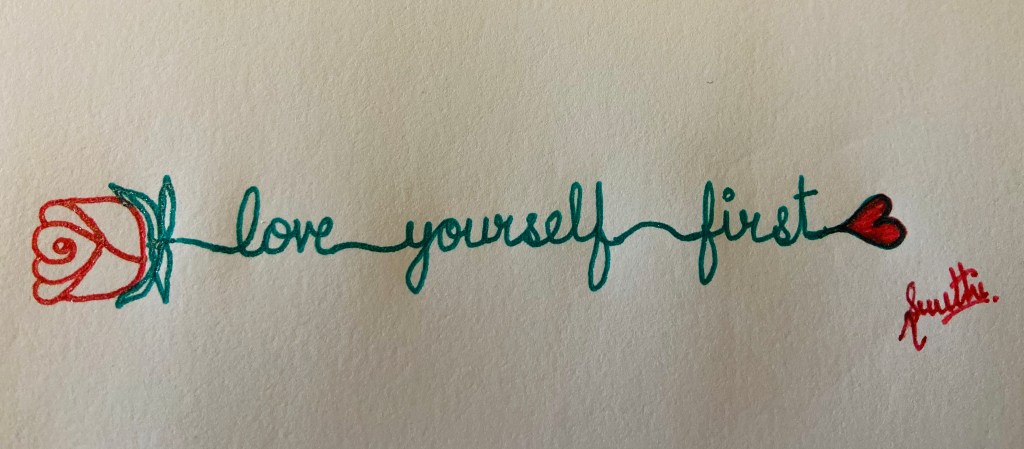
So, my reminder to all moms (and to myself) is this – LOVE YOURSELF FIRST! ❤️
When she is ready, this is the mantra I want to instill in my daughter too – Love yourself first! 💗
Love your body, love your soul. Love your curves, love your smile. The confidence and self-esteem that loving yourself gives you, cannot be taken away by any other person.
You determine your sense of worth when you love yourself first.
Your relationship with yourself will determine the dynamics of every relationship you have. Whether it be at home, or at a workplace.
Loving yourself doesn’t mean you stop trying to better yourself. Loving yourself means accepting yourself at every point of your journey.
Loving yourself first means being ok to let go of toxic relationships, no matter how difficult it maybe.
Loving yourself first means being ok to let your kid watch an extra hour of TV so that you can take a break.
Loving yourself first means speaking your mind and standing up for yourself.
Loving yourself means not feeling guilty for ordering take-out for family dinner because you are working late on a presentation.
Loving yourself means not beating yourself up for making mistakes…instead it means accepting that you made a mistake, apologizing if necessary, learning from it and moving on.
Loving yourself means being ok to snuggle in and watch a movie with your daughter without feeling guilty about the messy house.
Loving yourself means letting go of emotional baggage that pulls you down.
Loving yourself means being ok to let grandparents or babysitter watch your kids, while you go on a date night with your spouse.
Or leaving the kids with the dad, to go on a girls-only weekend trip! Even just a dinner with the girls is always a good idea.
Loving yourself doesn’t mean letting go or neglecting your responsibilities. It means you are taking a moment to check in with yourself, to rejuvenate, to make sure you are in optimal mental and physical health to better carry out your responsibilities.
It means you acknowledge that you are enough!
It means you ask for help when you need it.
It means you realize when you are pushing your limits and take a break.
It means you listen to your body when it’s craving rest. If means you listen to your heart when it’s feeling low. And do what it takes to feel better.
Love yourself first….because you have to spend the rest of your life with yourself and so does your family.
Love yourself first….and you will be a better mom, a better wife, a better friend, a better colleague and so much more.
Love yourself first….and everything else falls into line, as Lucille Ball famously said.
Take time to do something for yourself, by yourself.
Read that book you have been meaning to. The dishes can wait.
Watch that movie you have been wanting to. The laundry can wait.
Write, draw, paint, knit. The yard work can wait. Or if it’s the gardening that helps you de-stress and makes you happy, then go dig in.
Dance your heart out. Let your children watch you dancing and singing. Let them see you being silly and laughing! It’s good for you – it’s good for them.
Sit alone and listen to music, if that’s your jam. Or rock out at the top of your lungs in your basement.
Get started on that DIY project you have saved on Pinterest.
Sign up for that history class. Spend hours at the library. Take a solo trip to the art museum. Watch sunset by the lake.
Get a pedicure. Or manicure. Or both. A massage. Go shopping. Grab a coffee and people-watch at a coffee shop. Go on a drive. Or bike, walk or run.
If you don’t want to do it alone, then by all means do it with your family, your best friends, your kids, your yoga crew, your office team or maybe just your dog.
Do whatever makes you happy. Do it again tomorrow! And do it again the next day!
Love yourself first! 💜
I will leave you with these words of Charlie Chaplin on his 70th birthday about self-love…. “As I began to love myself I freed myself of anything that is no good for my health – food, people, things, situations and everything that drew me down or away from myself. At first, I called this attitude a healthy egoism. Today I know it is “LOVE OF ONESELF”.





 Sruthi Yejju